



 Deutsch
 Italiano




Shopping tips, Trends
How to bring old-school charm into modern fashion
Apr
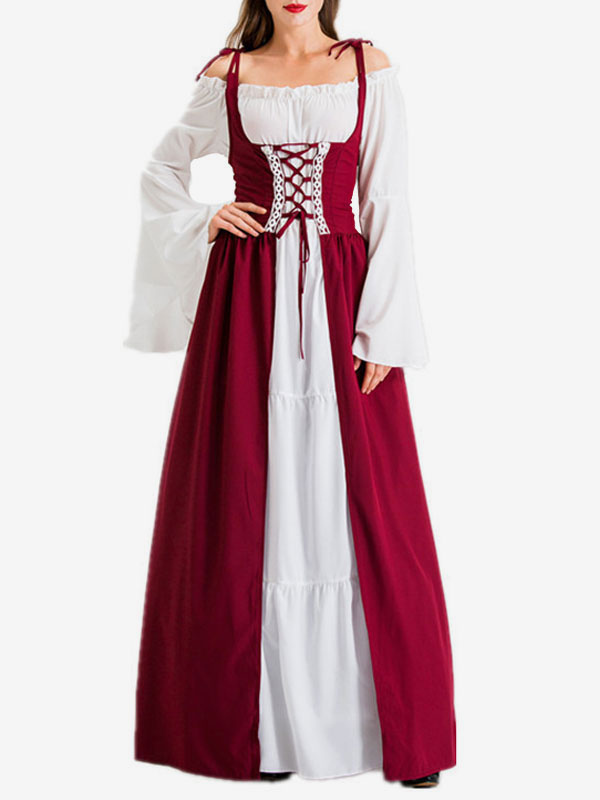
Fashion is cyclical in nature, constantly renewing and reviving trends from past eras. One such revival that is becoming increasingly popular is the vintage aesthetic of the Renaissance. In this article, we delve into the world of vintage Renaissance fashion and offer tips on how to bring old-world charm to your modern wardrobe, draw inspiration from historical fashion icons, and ultimately embrace this unique and timeless style for yourself.
The timeless appeal of Renaissance fashion
Renaissance fashion (14th to 17th century) is known for its richness, elegance, and extravagance, characterized by luxurious fabrics, elaborate patterns, and intricate embroidery. Its appeal lies in its stark contrast to the minimalist fast fashion trends that dominate the modern industry. This historical style offers a wealth of inspiration for those who want to add a unique artistic charm to their wardrobe.
Renaissance fashion resonates thanks to its emphasis on personal expression and individualism. This historical style offers a wealth of inspiration for those who want to give their wardrobe a unique artistic charm. Unlike the off-the-rack fashion philosophy pursued by many contemporary brands, Renaissance clothing was unique and tailored to the wearer to highlight their individual strengths and personality. In 2023, the company’s “Fashion Revival” survey found that 62% of respondents want more unique, individualistic clothing—a sentiment that echoes the Renaissance approach.
Historically, Renaissance fashion was also an indicator of social status, and although we have moved away from this definition, the refined elegance it embodies is still desirable. It speaks to a desire for craftsmanship, detail, and quality that is often overlooked in today’s fast-paced fashion cycle.
The revival of Renaissance aesthetics is also linked to the growing popularity of sustainable fashion. The slow and careful production of Renaissance pieces stands in stark contrast to today’s mass production industry and appeals to conscious consumers.
Tips for incorporating Renaissance elements into your wardrobe
Renaissance fashion may seem too extravagant for everyday wear, but its elements can also be integrated into a modern wardrobe. The art lies in combining old and new, in striking a balance between tradition and modernity.
Start with accessories. Renaissance jewelry was characterized by intricate patterns, often featuring large gemstones and pearls. A striking necklace or pair of earrings can add a touch of Renaissance glamour to an otherwise modern outfit.
A popular Renaissance trend that is making a comeback is sleeveless clothing. This detail, which comes in various forms, from dramatic blouses to subtle accents on dresses, adds a romantic vintage touch to any outfit. According to a report by Fashion Forward magazine, sales of garments with puff sleeves rose by 47% last year.
Corsets, another staple of the Renaissance period, are experiencing a renaissance. Worn over a simple T-shirt or dress, they can add a touch of flair to your outfit while emphasizing your story.
Finally, focus on rich fabrics and elaborate patterns. Velvet, silk, brocade—all were popular during the Renaissance and can add a touch of luxury to your wardrobe. Just remember that balance is key—the goal is to pay homage to the past, not live in it.
Be inspired by historical fashion icons
The historical figures of the era are a source of inspiration for the revival of Renaissance fashion. Personalities such as Catherine de’ Medici and Anne Boleyn were known for their style during the Renaissance and set trends that are still referenced today.
Catherine de’ Medici, Queen of France in the mid-16th century, was a pioneer of fashion. It is thanks to her that the ruff, a reinforced lace collar, became popular and a characteristic element of Renaissance fashion. By incorporating similar high-necked or ruffled collars into your wardrobe, you can subtly reference the Renaissance.
Anne Boleyn, on the other hand, was known for her distinctly English style. Although Anne lived at the French court for a time, she preferred English fashion with dark, richly embroidered dresses and French hoods. The French coiffe, a type of headdress that revealed more of the wearer’s hair and face, was considered more daring and provocative than the traditional English shield coiffe. Today, we can draw inspiration from this boldness in our fashion choices, whether it’s choosing daring accessories or selecting a vibrant, bold outfit.
In addition to these historical figures, various fashion designers and brands have also been inspired by the Renaissance. The late Alexander McQueen, for example, was known for his historical references, including a collection inspired by the 16th century “The Girl Who Lived in a Tree.” More recently, brands such as Gucci and Rodarte have incorporated Renaissance elements into their collections, demonstrating the timeless glamour of this era.
Exploring the style of these historical figures and designers offers you countless opportunities to incorporate Renaissance aesthetics into your wardrobe, laying the foundation for your own unique interpretation of this enduring trend.
Immerse yourself in the art of vintage renaissance: embark on a journey to discover a unique and timeless style.
The aesthetics of vintage renaissance in modern fashion are more than just a trend—they are a journey toward a unique and timeless style. They allow you to break away from the homogeneity of fast fashion and express your individuality and personality through your wardrobe.
Investing in historic Renaissance pieces is not only a sign of style, but also of sustainability. A report by the Ellen MacArthur Foundation states that extending the life of clothing by just nine months can reduce carbon, waste, and water footprints by 20-30%. By incorporating vintage pieces into your wardrobe, you are contributing to a more sustainable fashion industry.
The art of vintage renaissance stands for individuality, elegance, and sustainability. As Coco Chanel once said, “Fashion fades, only style remains the same.” The aesthetics of the Renaissance are proof of this, a style that has endured for centuries and is now finding a new home in our modern wardrobes.